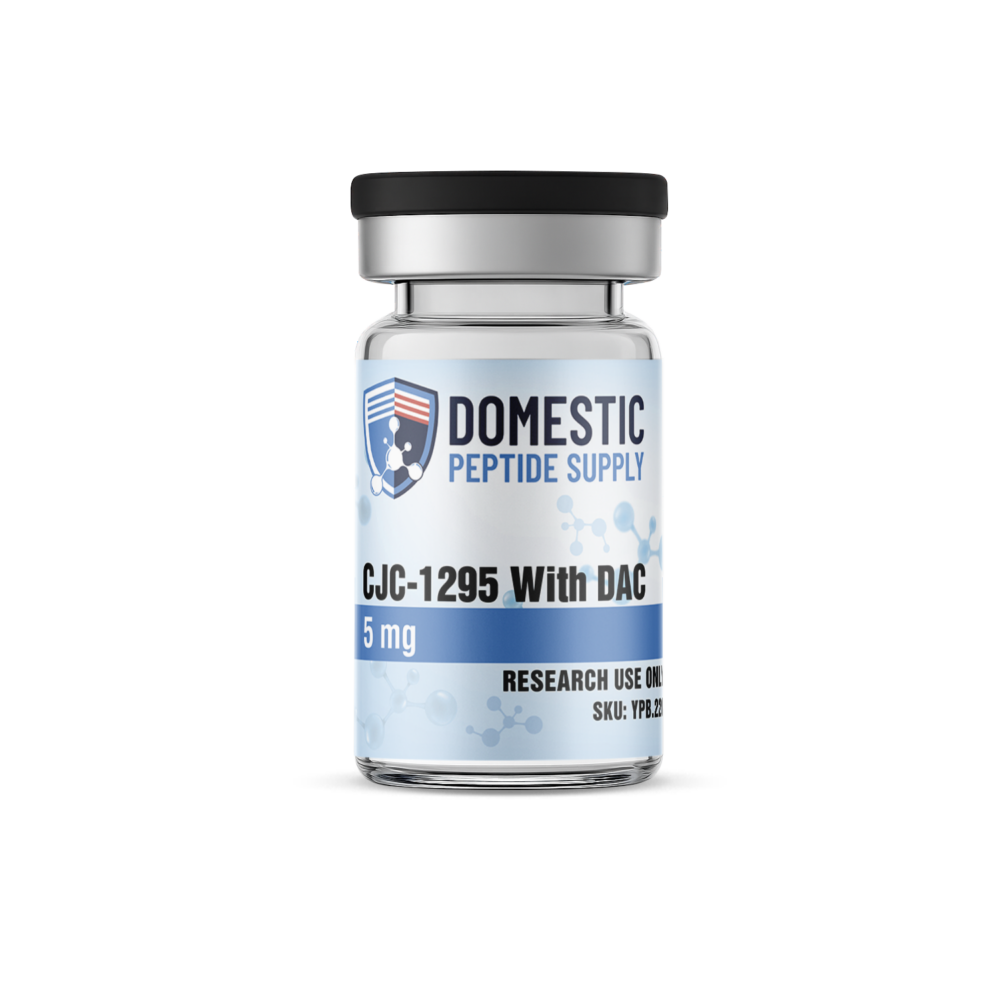
 CJC-1295 - With DAC (5mg)
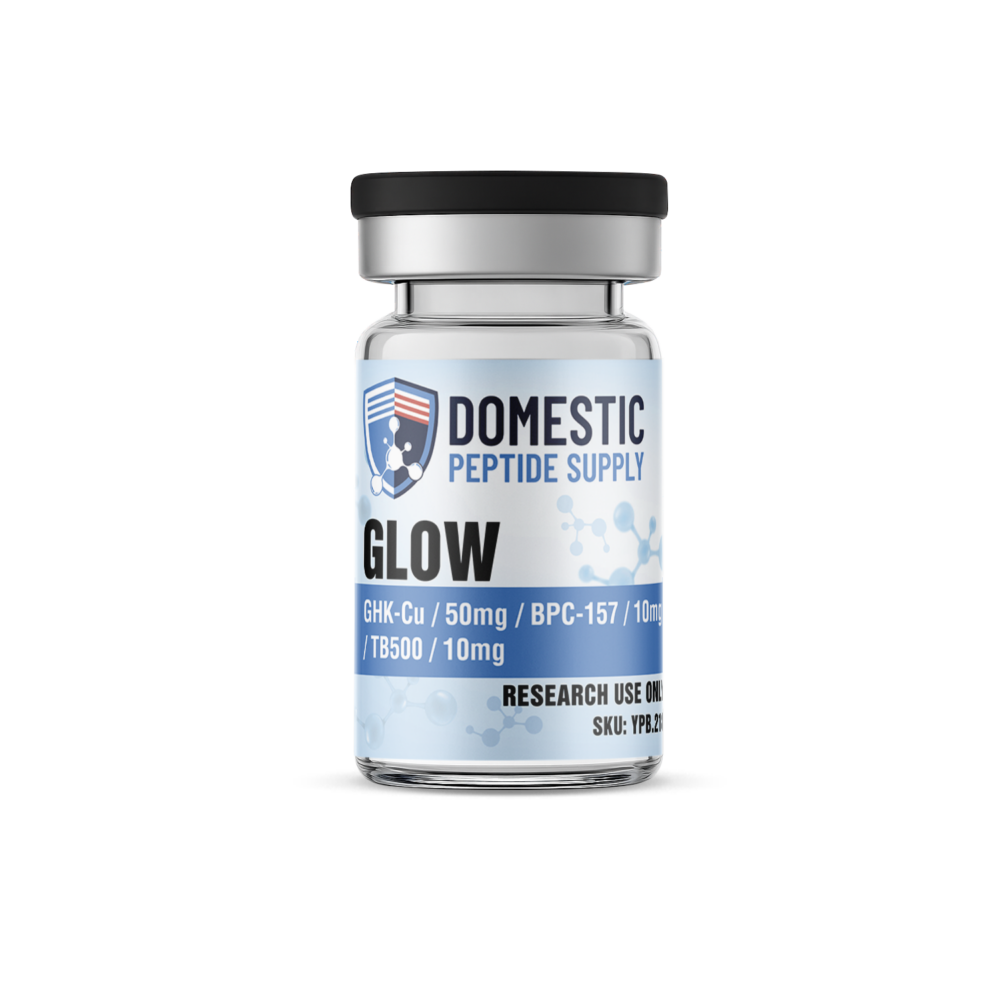 GLOW GHK-Cu (50mg) / BPC-157 (10mg) / TB500 (10mg)
 PT-141 (10mg)
 Tesamorelin (10mg)
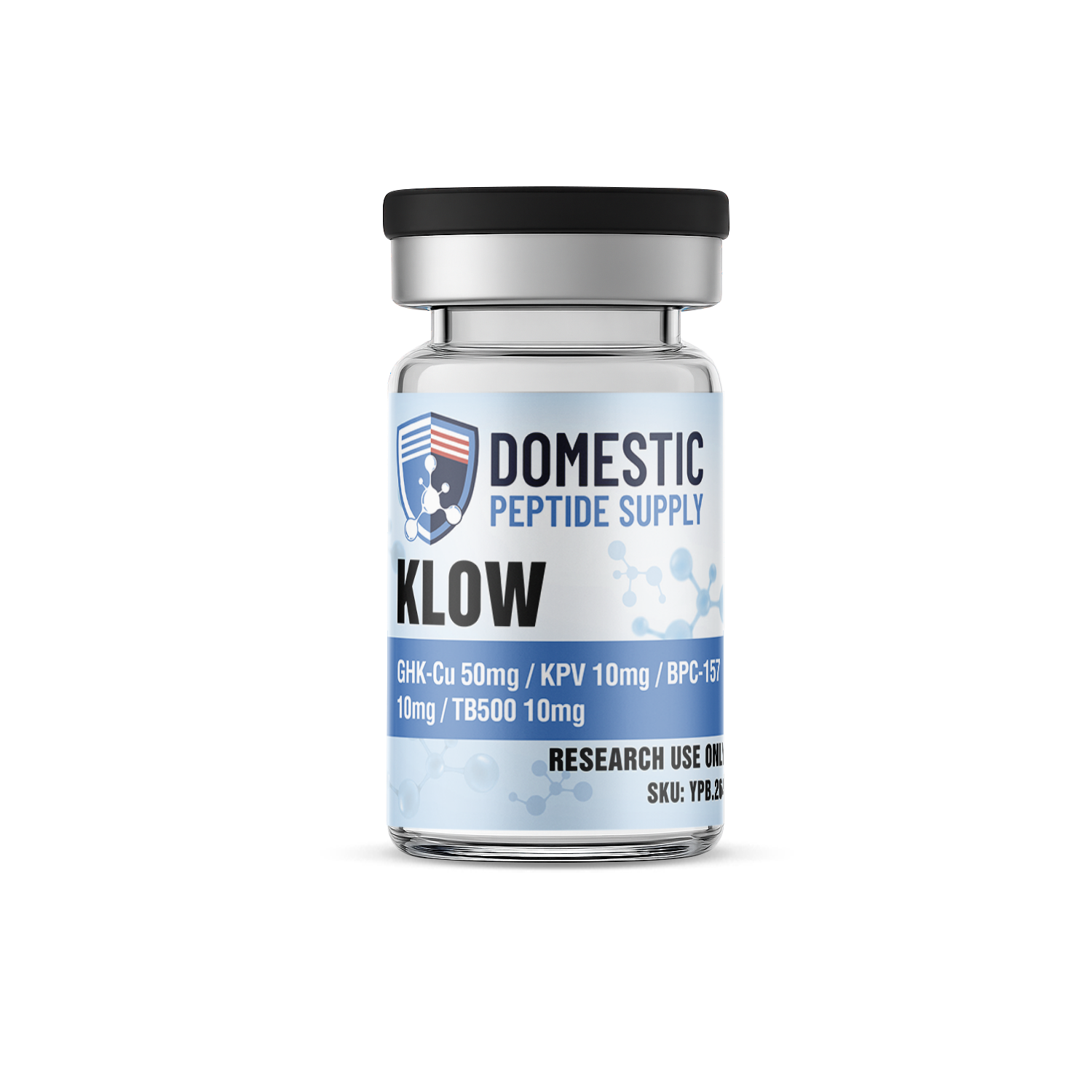
KLOW – GHK-Cu (50mg) / KPV (10mg) / BPC-157 (10mg) / TB500 (10mg)
$195.00
Description
A four-component co-formulation supplied for controlled research environments. Suitable for studies involving peptide characterization and method development in model systems.
Composition
• GHK-Cu
• KPV
• BPC-157
• TB-500 (Thymosin Beta 4)
• Appearance: Lyophilized powder in a sealed research vial
Research Focus (non-clinical)
• Combined evaluation of copper peptide, KPV tripeptide, BPC-157, and TB-500 in in-vitro or ex-vivo assay systems
• Assay development, including chromatographic separation of four co-formulated peptides
• Stability characterization of a four-analyte lyophilized blend under laboratory storage conditions
• Method documentation for HPLC/LC-MS identity and purity assessments
For qualified research professionals and institutional laboratories. Not for human use.
Documentation & Quality Assurance
Each lot is sourced through our verified global supply chain with emphasis on traceability and quality control. We work diligently to obtain and maintain third-party analytical reports (HPLC/LC-MS) and Certificates of Analysis for each batch, as part of our ongoing quality process. These documents are reviewed internally and displayed as they become available. Independent third-party testing is also performed on select lots to confirm identity, purity, and alignment with our internal specifications.
Important Notice
This product is intended for laboratory research use only. It is not intended for human or veterinary use, and must not be used for diagnostic, therapeutic, or clinical purposes.
This material is not a drug, medical device, or dietary supplement, and has not been evaluated by the U.S. Food and Drug Administration.
Quality & Manufacturing
All materials are sourced from carefully vetted domestic and international manufacturing partners who follow quality systems consistent with ISO and cGMP principles. Each supplier is reviewed for reliability, documentation integrity, and transparency in testing.
We require a verified purity of 99% or higher and perform independent third-party spot testing to confirm that select lots meet our internal standards for identity, purity, and composition. Where available, endotoxin testing results are included on Certificates of Analysis to verify laboratory purity; their inclusion is for research quality assessment only and does not imply suitability for human or veterinary use.
All research materials are sealed for integrity and packaged for stability during storage and transport from manufacturing through final delivery.
Additional information
| Weight | 0.2 lbs |
|---|
Storage Instructions
All our research peptides are manufactured using a lyophilization (freeze-drying) process. This method is designed to maintain product integrity and allows vials to remain stable during shipping for approximately 3–4 months.
Once a vial is reconstituted with bacteriostatic water, it should be stored in the refrigerator to help maintain stability. Under these conditions, reconstituted material is generally considered stable for up to 30 days.
Lyophilization is a dehydration technique in which compounds are frozen and then exposed to low pressure. This causes the water in the vial to sublimate directly from solid to gas, leaving behind a stable, crystalline white structure. This powder can be kept at room temperature until reconstitution.
Upon receipt, products should be stored away from heat and light. For short-term use, refrigeration at approximately 4°C (39°F) is suitable. For long-term storage (several months to years), vials may be placed in a freezer at approximately -80°C (-112°F). Freezing is the preferred method for preserving product stability over extended periods.
⚠️ Important Notice: These products are intended for research use only. Not for human consumption.
Certificate of Analysis
Every batch undergoes rigorous third-party laboratory testing to verify identity, purity (≥98%), and quality before release.
View Certificate of AnalysisResearch Use Only
These studies reference research-grade peptides for laboratory and scientific investigation only. Not for human consumption. Not intended to diagnose, treat, cure, or prevent any disease.
Published Scientific Research
Peer-reviewed laboratory research investigating regenerative peptides from leading scientific databases
Enzyme-Programmable DNA-PEG Hydrogel Spatiotemporally Regulates Bone Regeneration Microenvironment.
Conventional hydrogel drug delivery systems are limited in recapitulating the natural spatiotemporal progression of bone regeneration due to their passive release mechanisms. Molecular dynamics simulations reveal the underlying mechanism of hydrogel-mediated mineralization, demonstrating enhanced calcium phosphate formation.
View Full StudyA calcitonin gene-related peptide co-crosslinked hydrogel promotes diabetic wound healing by regulating M2 macrophage polarization and angiogenesis.
The underlying mechanism of sensory nerves and DBW remain unclear. Mechanistic studies indicate that CGRP promotes M2 macrophage polarization by inhibiting the p53 signaling pathway and enhances endothelial cell function, thereby accelerating DBW healing.
View Full StudyHuman salivary histatin 1 regulating IP3R1/GRP75/VDAC1 mediated mitochondrial-associated endoplasmic reticulum membranes (MAMs) inhibits cell senescence for diabetic wound repair.
However, research on skin repair at the mechanistic level by improving mitochondrial function and inhibiting oxidative stress-induced HUVEC senescence remains lacking. Based on in vitro findings, Hst1 decreased staining for senescence-associated β-galactosidase activity and expression of mediators of senescence signaling, including p53, p21, and p16.
View Full StudyDual Factor-Loaded Artificial Periosteum Accelerates Bone Regeneration.
In the clinic, inactivation of osteosarcoma using microwave ablation would damage the periosteum, resulting in frequent postoperative complications. The prepared artificial periosteum showed a sustained release of SDF-1α and CGRP after 14 days of immersion.
View Full StudyEngineered Bio-inspired Multifunctional Peptide- and Protein-based Therapeutic Biomolecules for Better Wound Care.
Developing non-immunogenic therapeutic biomolecules for facilitating blood clotting followed by wound healing via therapeutic angiogenesis, still remains a formidable challenge. Excessive blood loss of accident victims and battalions cause a huge number of deaths worldwide. Patients with inherited bleeding disorders face acute complications during injury and post-surgery. Biologically-inspired peptide-based hemostat can act as a potential therapeutic for handling coagulopathy. Additionally, non-
View Full StudyAngiogenesis.
The growth of new blood vessels involves the dissolution of the basement membrane, outward migration, and proliferation of endothelial cells to form new capillaries. In part, angiogenesis is dependent on peptide growth factors, many of which have been isolated and are now synthesized by recombinant DNA techniques. In animals, angiogenic factors are found in damaged skeletal muscles, tumors, and many other tissues. The infusion of angiogenic factors in animals improves wound healing, such as in b
View Full StudyRelated products
-
Thymosin Beta 4 (TB500)
Price range: $70.00 through $135.00Select options This product has multiple variants. The options may be chosen on the product page -
-