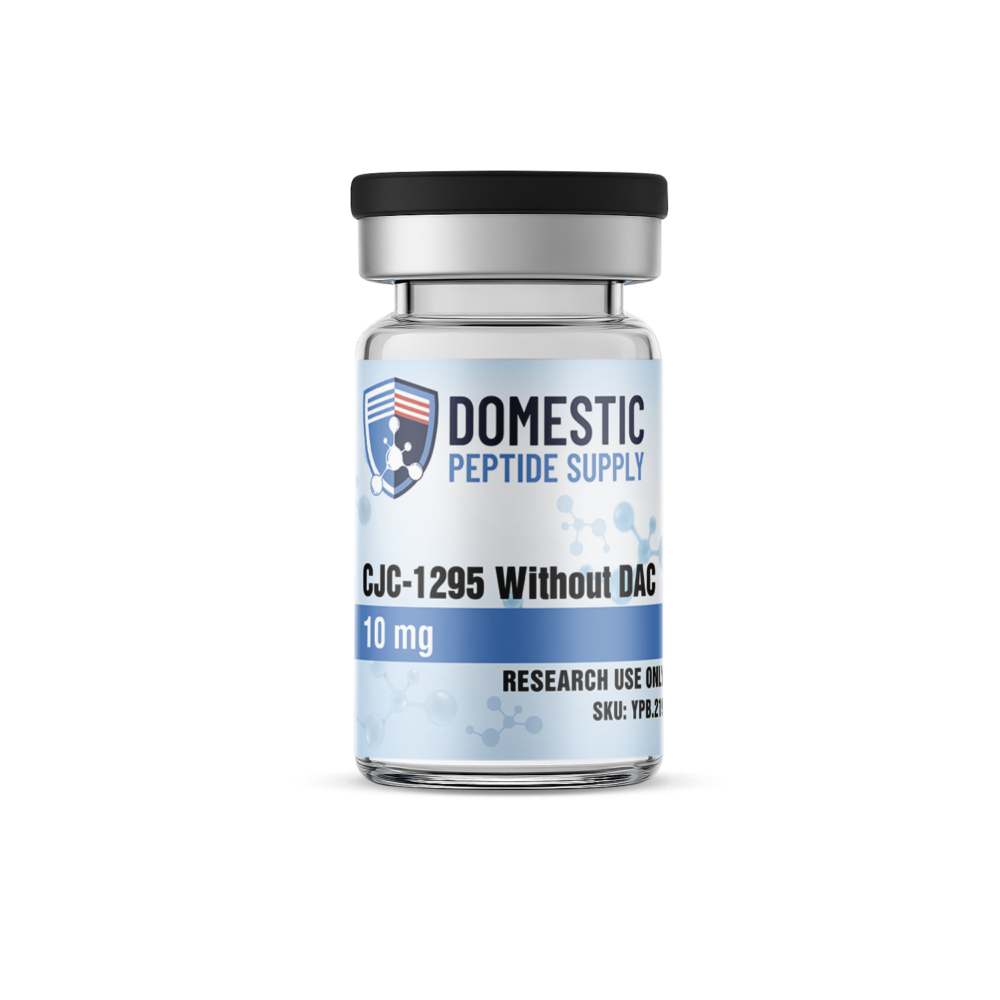
 CJC-1295 Without DAC (10mg)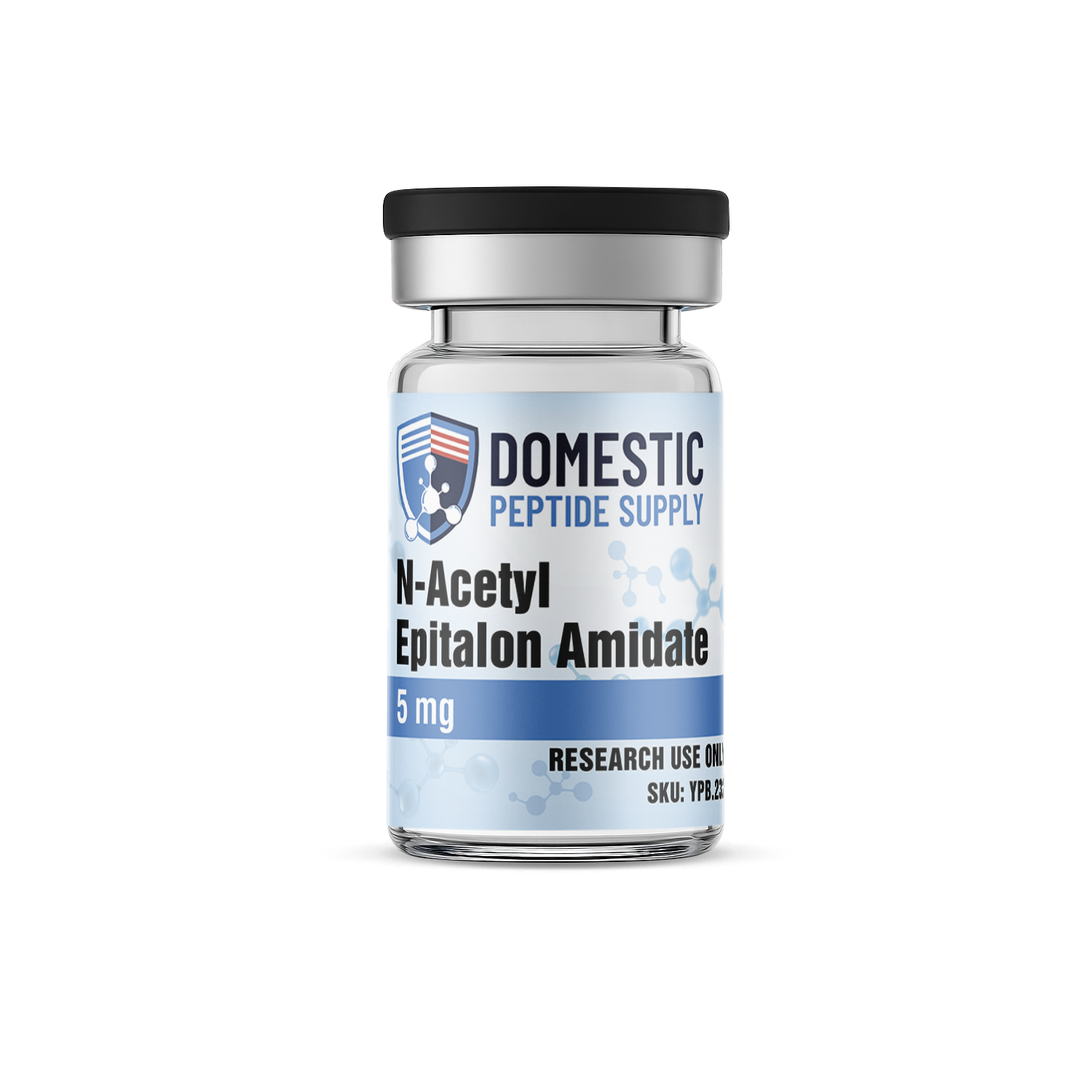
N-Acetyl Epitalon Amidate (5 mg)
$105.00
Description
A single-component research material supplied for controlled research environments. N-Acetyl Epitalon Amidate (5 mg) is a synthetic tetrapeptide analog designed for research exploring telomeric activity, aging-related signaling pathways, and pineal peptide biochemistry in model systems.
Composition
• N-Acetyl Epitalon Amidate
• Appearance: Lyophilized powder in a sealed research vial
Research Focus (non-clinical)
• Peptide identity and purity assessment via HPLC/LC-MS
• Assay development and calibration for quantitative analysis
• Chromatographic method optimization for impurity profiling and peak resolution
• Stability characterization of a lyophilized peptide under laboratory storage conditions
For qualified research professionals and institutional laboratories. Not for human use.
Documentation & Quality Assurance
Each lot is sourced through our verified global supply chain with emphasis on traceability and quality control. We work diligently to obtain and maintain third-party analytical reports (HPLC/LC-MS) and Certificates of Analysis for each batch, as part of our ongoing quality process. These documents are reviewed internally and displayed as they become available. Independent third-party testing is also performed on select lots to confirm identity, purity, and alignment with our internal specifications.
Important Notice
This product is intended for laboratory research use only. It is not intended for human or veterinary use, and must not be used for diagnostic, therapeutic, or clinical purposes.
This material is not a drug, medical device, or dietary supplement, and has not been evaluated by the U.S. Food and Drug Administration.
Quality & Manufacturing
All materials are sourced from carefully vetted domestic and international manufacturing partners who follow quality systems consistent with ISO and cGMP principles. Each supplier is reviewed for reliability, documentation integrity, and transparency in testing.
We require a verified purity of 99% or higher and perform independent third-party spot testing to confirm that select lots meet our internal standards for identity, purity, and composition. Where available, endotoxin testing results are included on Certificates of Analysis to verify laboratory purity; their inclusion is for research quality assessment only and does not imply suitability for human or veterinary use.
All research materials are sealed for integrity and packaged for stability during storage and transport from manufacturing through final delivery.
Additional information
| Weight | 0.2 lbs |
|---|
Storage Instructions
All our research peptides are manufactured using a lyophilization (freeze-drying) process. This method is designed to maintain product integrity and allows vials to remain stable during shipping for approximately 3–4 months.
Once a vial is reconstituted with bacteriostatic water, it should be stored in the refrigerator to help maintain stability. Under these conditions, reconstituted material is generally considered stable for up to 30 days.
Lyophilization is a dehydration technique in which compounds are frozen and then exposed to low pressure. This causes the water in the vial to sublimate directly from solid to gas, leaving behind a stable, crystalline white structure. This powder can be kept at room temperature until reconstitution.
Upon receipt, products should be stored away from heat and light. For short-term use, refrigeration at approximately 4°C (39°F) is suitable. For long-term storage (several months to years), vials may be placed in a freezer at approximately -80°C (-112°F). Freezing is the preferred method for preserving product stability over extended periods.
⚠️ Important Notice: These products are intended for research use only. Not for human consumption.
Certificate of Analysis
Every batch undergoes rigorous third-party laboratory testing to verify identity, purity (≥98%), and quality before release.
View Certificate of AnalysisResearch Use Only
These studies reference research-grade peptides for laboratory and scientific investigation only. Not for human consumption. Not intended to diagnose, treat, cure, or prevent any disease.
Published Scientific Research
Peer-reviewed laboratory research investigating research peptides from leading scientific databases
The mechanism of honeysuckle peptides in ameliorating hyperuricemia in mice via the PGC-1α/PPARγ/ABCG2 pathway.
However, the anti-hyperuricemic activity and mechanism of its peptide components remain unexplored. AIM OF THE STUDY: This study aimed to investigate the anti-hyperuricemic effect of honeysuckle-derived peptides and the underlying mechanisms, with a focus on uric acid production, excretion, and gut microbiota modulation.
View Full StudyDecoding the Heart Failure Peptidome.
BACKGROUND: Peptides such as angiotensin II and brain natriuretic peptide are pivotal in diagnosing and treating heart failure (HF). However, unbiased systematic studies of the peptidome in patients with HF are lacking. Deciphering the plasma peptidome might significantly improve the diagnosis, prognostication, and treatment of patients with HF. METHODS: To systematically explore the low molecular peptidome, we conducted a cross-sectional mass spectrometry analysis from 486 patients with HF and
View Full StudyBioactive peptides in cosmetic formulations: Review of current in vitro and ex vivo evidence.
Their claimed biological activities include signaling to increase collagen and hyaluronic acid production, modulation of pigmentation, maintenance of a healthy skin microbiome, antioxidant activity and cellular defense, immunomodulation, neurotransmitter inhibition, enzyme activity inhibition and trace mineral carriers.
View Full StudyROS-Driven PKCζ Signaling as a Widely Involved Mechanism for Cancer Cell Motility and Metastasis.
However, the molecular mechanisms underlying this enhancement remain incompletely understood. This enhancement is mediated by reactive oxygen species (ROS), which activate the PKCζ/Rho GTPase signaling pathway.
View Full StudyPeptide-Enhanced Bioactive Hydrogel Combined with Photodynamic-Phage Synergistic Antibacterial Therapy System Accelerates Infected Wound Healing.
This study designs a peptide-enhanced bioactive hydrogel with a photodynamic-phage synergistic antibacterial effect that is an efficient antibacterial and promotes wound healing.
View Full StudyProtective Effects of Deer Antler Peptides on D-Galactose-Induced Brain Injury.
The aim of this study was to investigate the role and potential mechanism of deer antler peptides (DAP) in D-galactose (D-gal)-induced brain injury. In vitro studies, D-gal (30 μg/mL) induced senescent BV2 cells were used for further research.
View Full StudyRelated products
-
-
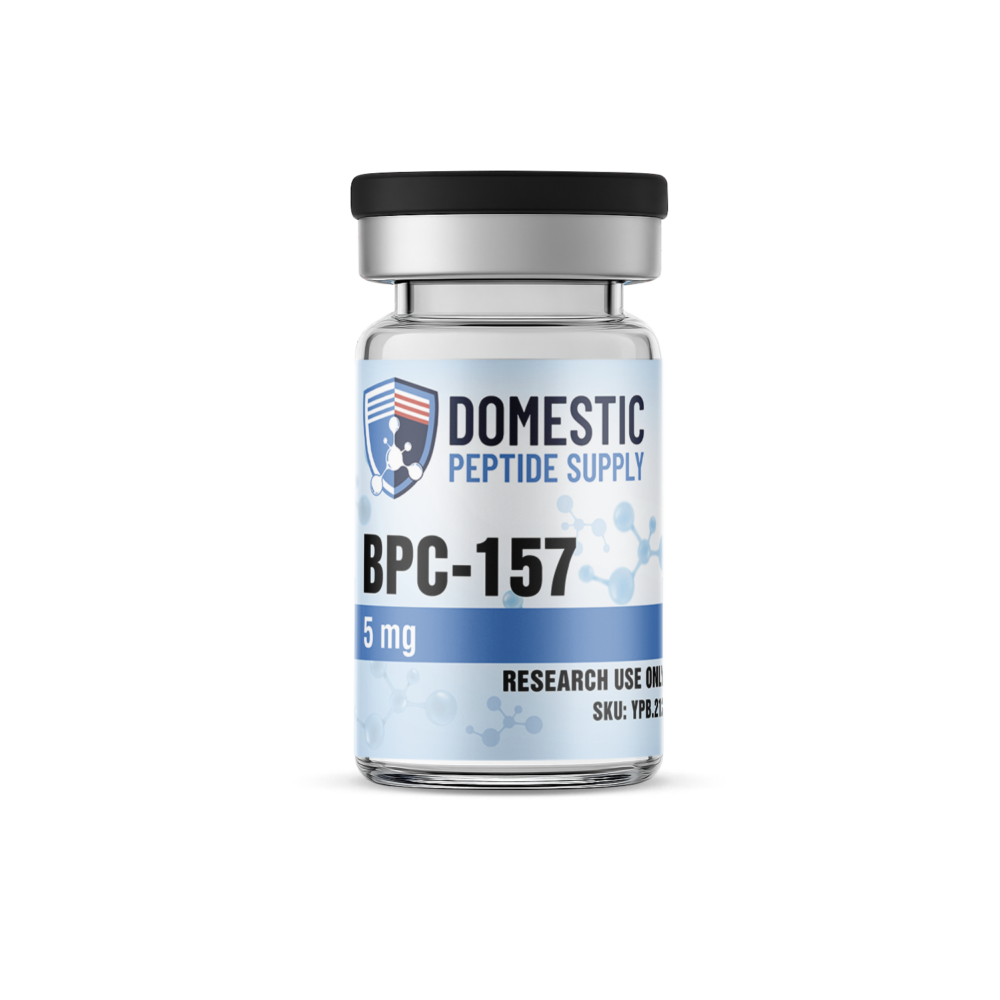
BPC-157
Price range: $45.00 through $175.00Select options This product has multiple variants. The options may be chosen on the product page -
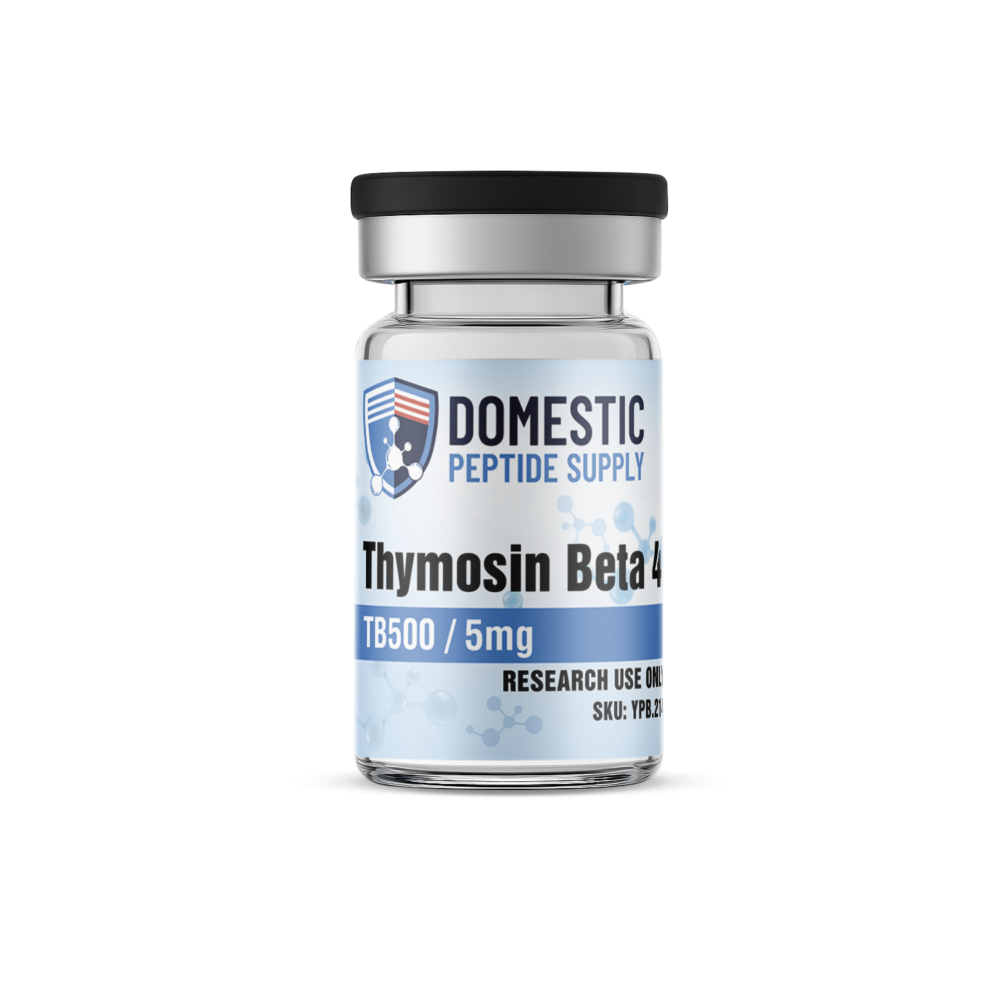
Thymosin Beta 4 (TB500)
Price range: $70.00 through $135.00Select options This product has multiple variants. The options may be chosen on the product page